Leash Training
How to Teach a Puppy to Walk on a Leash (Step-by-Step Guide to Loose Leash Walking)
No puppy is born knowing how to walk politely beside a human. The world is enormous, the smells are infinite, and the leash is a strange thing attached to their body, so a little vulnerability at first is completely normal. Your job is to teach your pup that the leash means good things happen, not that their freedom just disappeared. The good news is you can start the day you bring your puppy home, long before their vaccinations are complete, as long as you keep early practice indoors or in a private yard. This guide walks you through loose leash walking step by step, using positive reinforcement and a clear marker word so your puppy always knows the exact moment they got it right.
What You'll Learn
- When to start leash training (sooner than you think) and where to do it safely
- The gear that helps, and the harnesses I don't recommend
- Foundation skills to teach indoors before your first real walk
- A step-by-step method for building loose leash walking
- How to handle pulling, leash chewing, and the move to the great outdoors
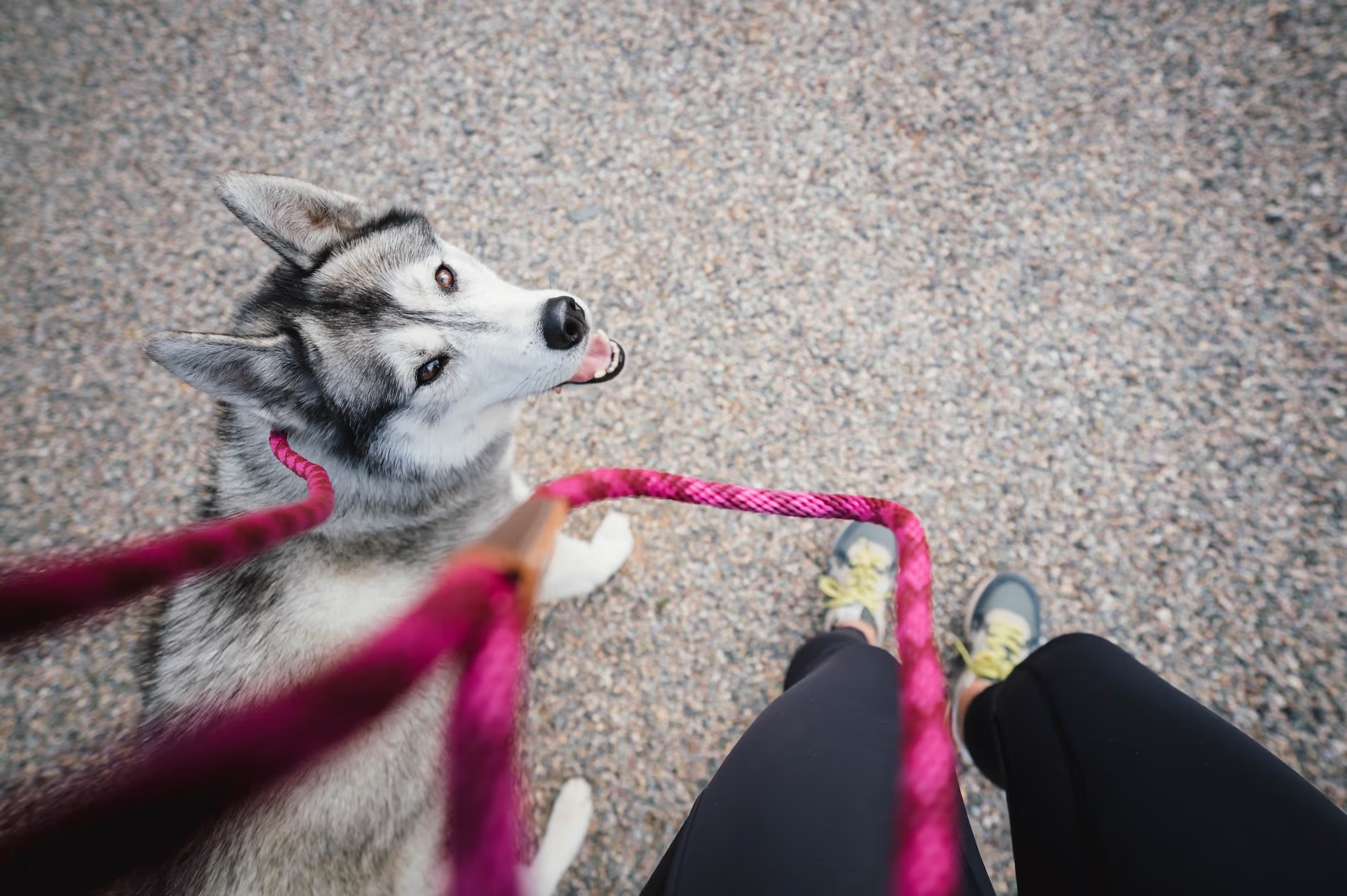
Before you start, it helps to know exactly what you're working toward. Loose leash walking means the leash hangs in a relaxed "J" between the two of you, with no tension, no dragging, and no white-knuckle grip on your end. Pulling is the opposite picture: your puppy out front, the leash stretched tight, towing you toward whatever caught their eye. Everything in this guide is about getting from that second picture to the first.
Why Early Leash Training and Loose Leash Walking Matter
The earlier you begin, the less you'll have to undo later. Puppies who learn leash manners during their socialization window, roughly 3 to 12 weeks of age, absorb those lessons faster and hold onto them longer than adolescent dogs who have spent months rehearsing the opposite. A few real things ride on getting this right early:
- Safety. A puppy that bolts toward traffic, lunges at cyclists, or charges another dog is a liability. Many U.S. cities now enforce leash laws with real fines.
- Physical health. Constant leash pressure and jerking concentrate force on the neck and can damage the trachea, especially in flat-faced breeds. Teaching your puppy early that leash tension means slow down or come closer, rather than pull harder, protects their body and heads off leash reactivity down the line.
- Behavioral development. Dogs pull because they're excited or because a scent is tugging them forward, and once pulling becomes a habit, frustration and reactivity tend to follow it. Reward-based training consistently reduces stress-related behaviors compared to aversive methods, which is a big part of why we lean on it.
- Your quality of life. Walks turn into something you look forward to instead of something you brace for. Vet visits get easier. You stop crossing the street to dodge every other dog.
One clarification worth making early: leash walking and a formal "heel" are different things. Heel is a competition-level position where the dog's shoulder stays aligned with your leg at all times. For everyday life, you just need polite walking: a loose leash, reasonable attention, and the ability to navigate a neighborhood without drama.
FREE LEASH PULLING STARTER GUIDE
Struggling With a Puppy That Pulls?
Get our free leash pulling starter guide, built around your dog's personality type, with simple exercises you can start today.
Gear You Need Before You Start Leash Training
Good gear won't train your puppy for you, but the wrong gear can quietly work against you. Here's what you actually need, and why each piece earns its place.
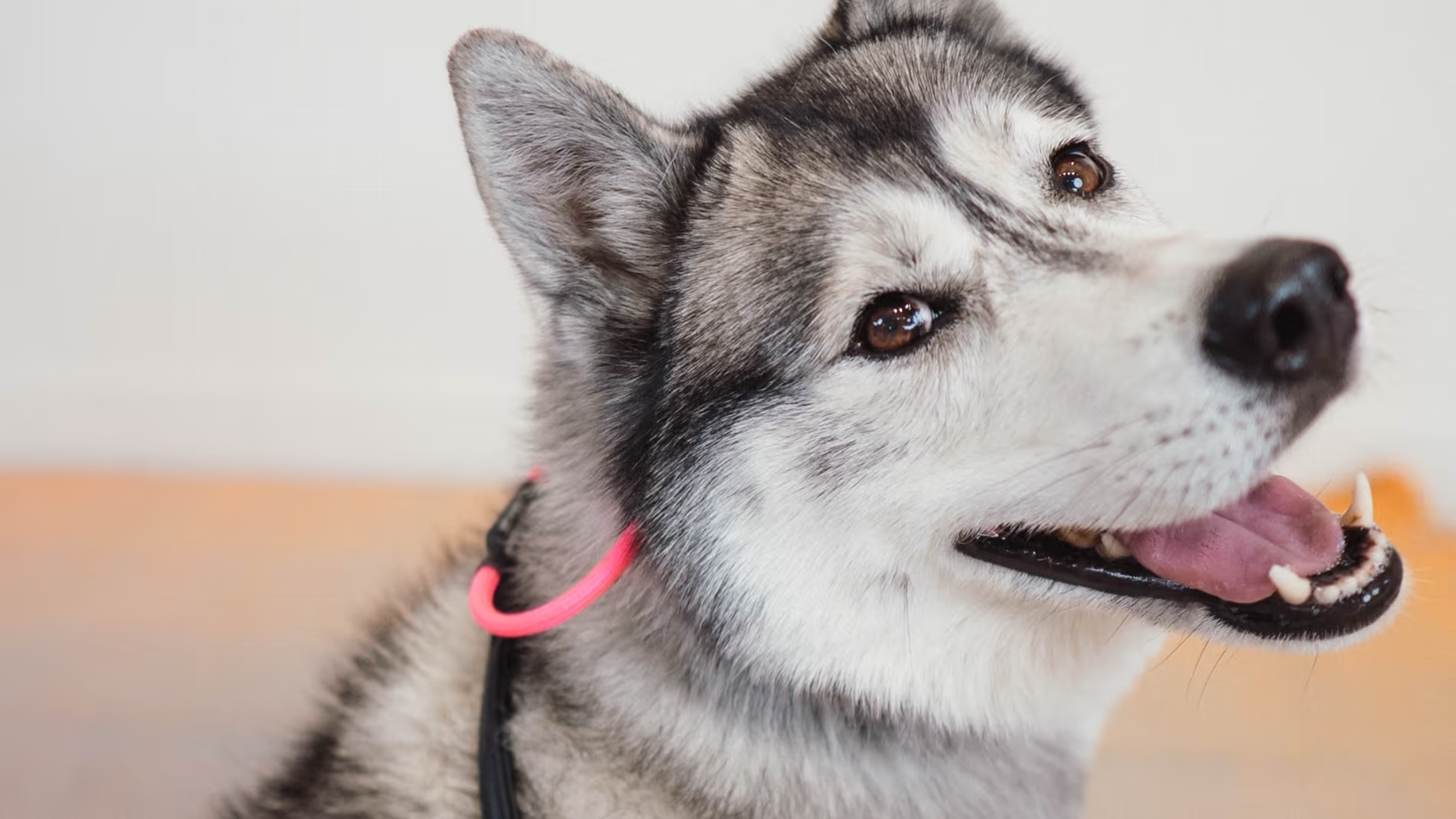
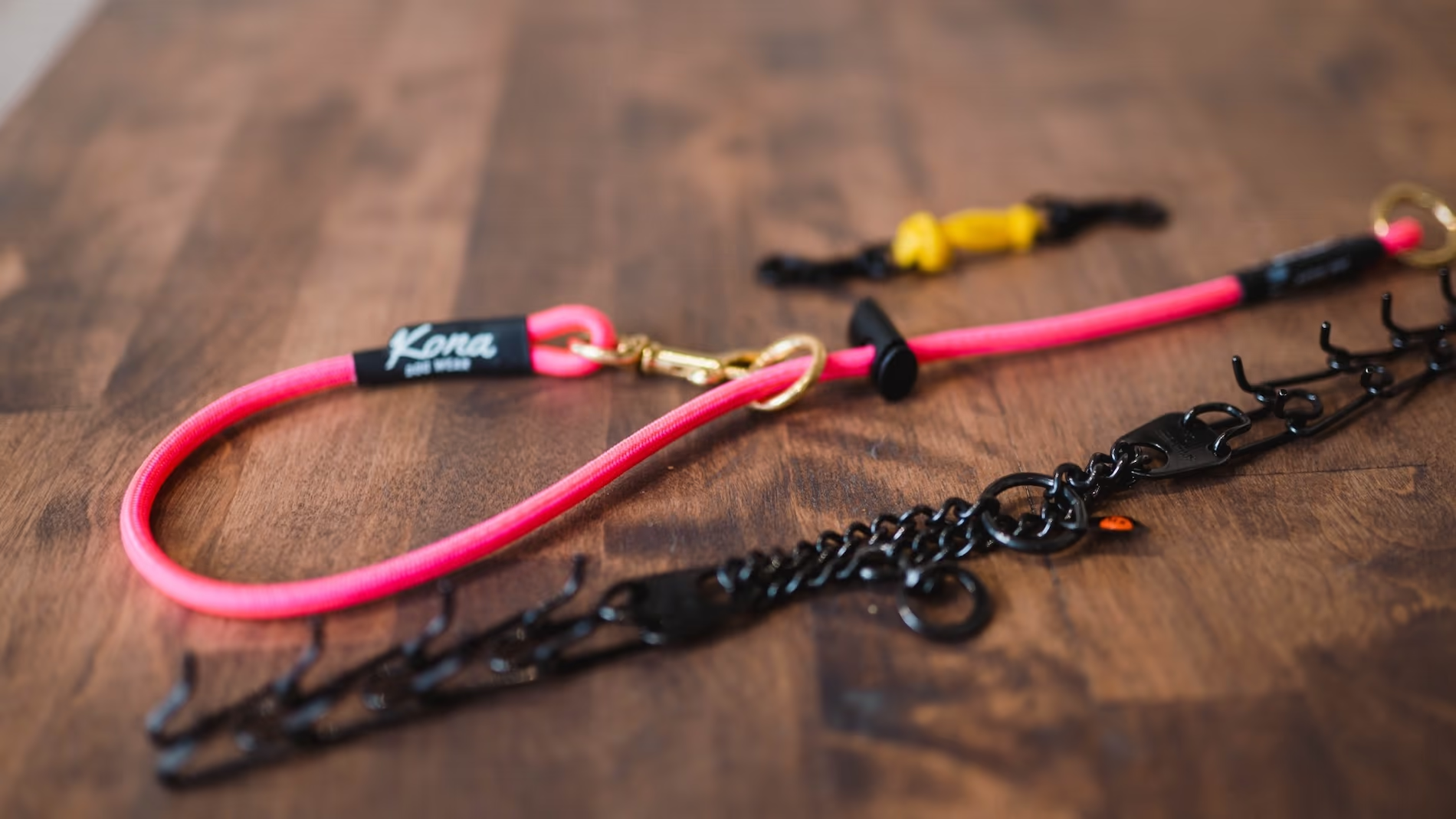
- Collar or harness. A flat collar is perfect for holding ID tags, but it isn't the tool I'd walk a puller on. For a puppy who pulls, a properly fitted Y-neck harness or a slip-harness gives you clear, gentle communication down the leash without concentrating force on one spot. I don't recommend front-clip harnesses, because they work by restricting the shoulder to slow a dog down, and a systematic review found chest-strap designs can cut shoulder extension by up to about 8 degrees. If you'd rather use a harness, choose a slip or Y-shaped style that sits behind the shoulder blades instead of across them.
- Leash. Use a lightweight 6-foot leash for loose leash walking training. It gives your puppy enough slack to move without being so long that you lose control. If you're using a slip-harness, the leash is built in, so you won't need a separate one.
- Marker word or clicker. A clicker or a marker word like "Yes!" both work. The function is identical. It tells the puppy the exact moment they did something right. Pick one and stay consistent.
- Treats. High-value, pea-sized, soft treats you can deliver fast. Boiled chicken, cheese, or commercial training treats all work. Outdoors, the reward has to outcompete the world, so save the good stuff for outside.
- Optional gear. A multi-pouch treat bag keeps your hands free and your training organized. A long line (10–20 feet) comes in later for practicing recall in safe areas.
Foundation Skills to Teach Indoors Before Real Walks
Start indoors, where you can build good associations before the real world piles on distractions. A quiet hallway or living room is the ideal classroom: nothing competing for your puppy's attention, and treats within easy reach.
- Charge the marker. If you don't already have a marker word or clicker sound established, here's how to build one. Say your marker word ("Yes!"), or click, then hand over a treat right away. Repeat it fifteen to twenty times across a couple of short sessions, until your puppy whips their head toward you the instant they hear the sound. That link between the marker and the reward is the foundation every exercise after this one is built on.
- Get comfortable in the gear. Let your puppy sniff and investigate the harness before it ever goes on. Pair putting it on with treats and a little play, keeping things calm rather than turning it into a wrestling match. Once they wear it happily, clip on the leash and let it drag for a moment under your supervision while you reward calm behavior. If your puppy freezes or seems afraid, back up a step and slow down.
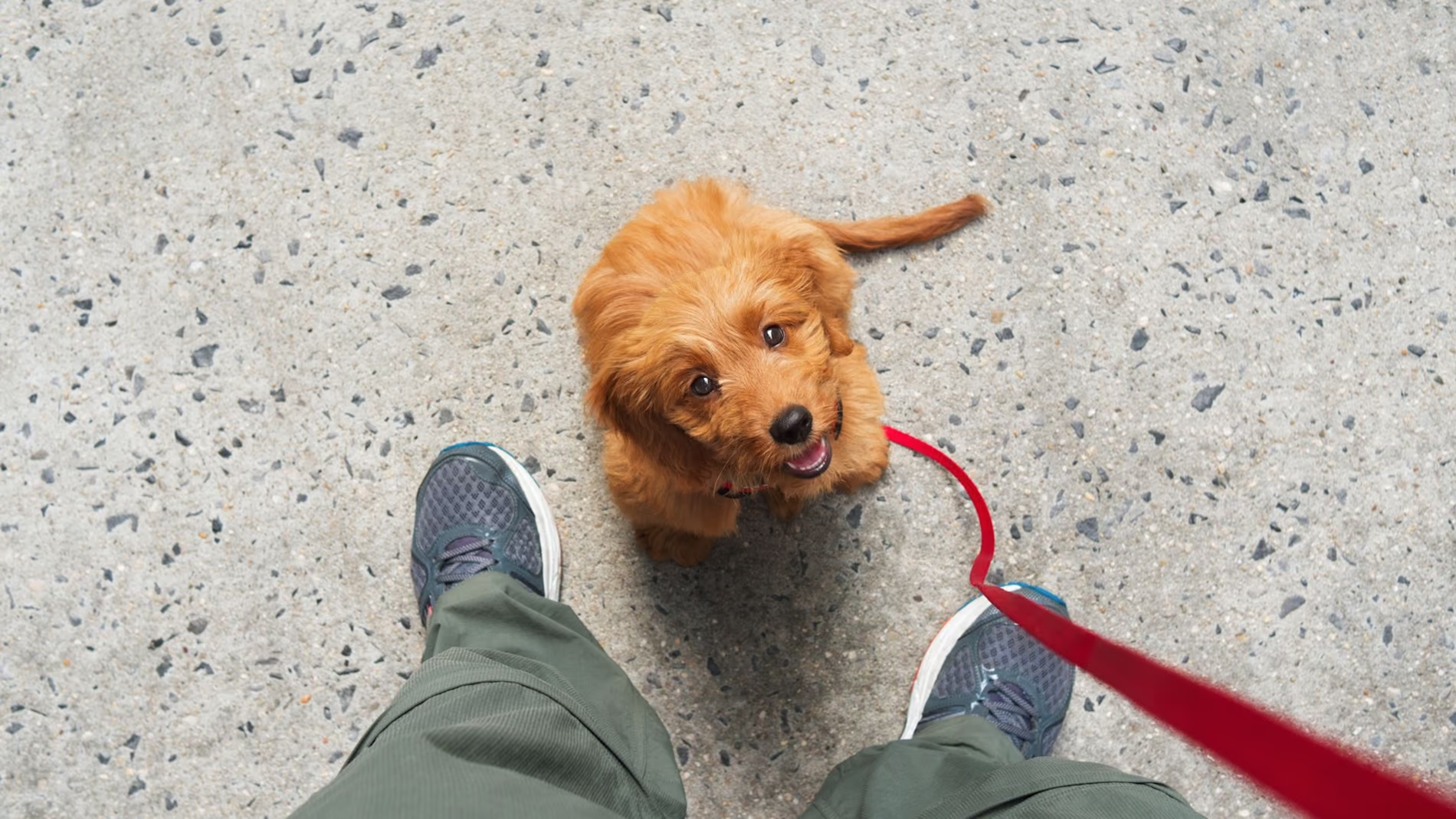
- Reward attention and eye contact. With the leash on indoors, watch for any moment your puppy glances at you. Mark and treat. You're not asking for anything yet. You're just making yourself the most rewarding thing in the room.
- Introduce a cue. Use a verbal cue like "Let's go" or "With me" when your puppy takes a few steps alongside you on a loose leash. Mark and reward immediately. Pick one side and stay with it to build a routine. Most trainers default to the left, but consistency matters more than which side you choose. Start with one step, then two, then four before rewarding.
- Keep sessions short. Aim for 3–5 minutes, 2–3 times a day inside the house. Frequency builds the habit; marathon sessions kill enthusiasm.
Step-by-Step: Teaching Your Puppy to Walk on a Loose Leash
Teaching loose leash walking is a progression, not a single lesson. You start easy, raise the difficulty slowly, and reward generously the whole way. The sooner you begin the reps, the faster the behavior sticks, so there's no reason to wait.
- Step 1: Reward the position. In a low-distraction spot indoors, clip on the leash, stand still, and wait. The moment the leash goes slack, or your puppy steps toward you, mark it and deliver a treat right next to your leg. From the very first session, you're teaching one idea: staying close to your side is where the good stuff happens.
- Step 2: Start moving. Take a single step forward. If the leash stays loose, mark and reward at your leg, then build up to two, three, and four steps between treats. Reward often at this stage, because the more you pay for a loose leash now, the faster it becomes your puppy's default.
- Step 3: Teach the check-in. When your puppy hits the end of the leash and turns their head back toward you, that glance is a check-in. Mark it immediately and reward at your side. Do this enough and your puppy starts looking back at you before the leash ever goes tight, because their attention on you always pays off.
- Step 4: Change direction. Turning often keeps your puppy paying attention to you. As you turn left, right, or all the way around, add a cue like "Turn" or "This way." Your puppy learns to track your movement and follow your lead instead of towing you toward whatever caught their eye.
- Step 5: Stop while it's still fun. Keep these early sessions short and end them while your puppy is still into it. Push past that point and you're really just teaching them to tune out. Finish on a win, with a great treat, and leave your puppy wanting more.
Consistency and positive reinforcement are what carry this. Skip punishing the mistakes and reward the correct behavior instead. Every time you mark and pay for the right position, you make choosing to walk beside you a little easier for your puppy the next time.
Handling Pulling and Common Leash Walking Problems
Every puppy tests the leash at some point. Pulling is a common issue, not a sign of a bad dog or a failed plan. Leash training takes time, especially once distractions enter the picture, so patience is part of the job.
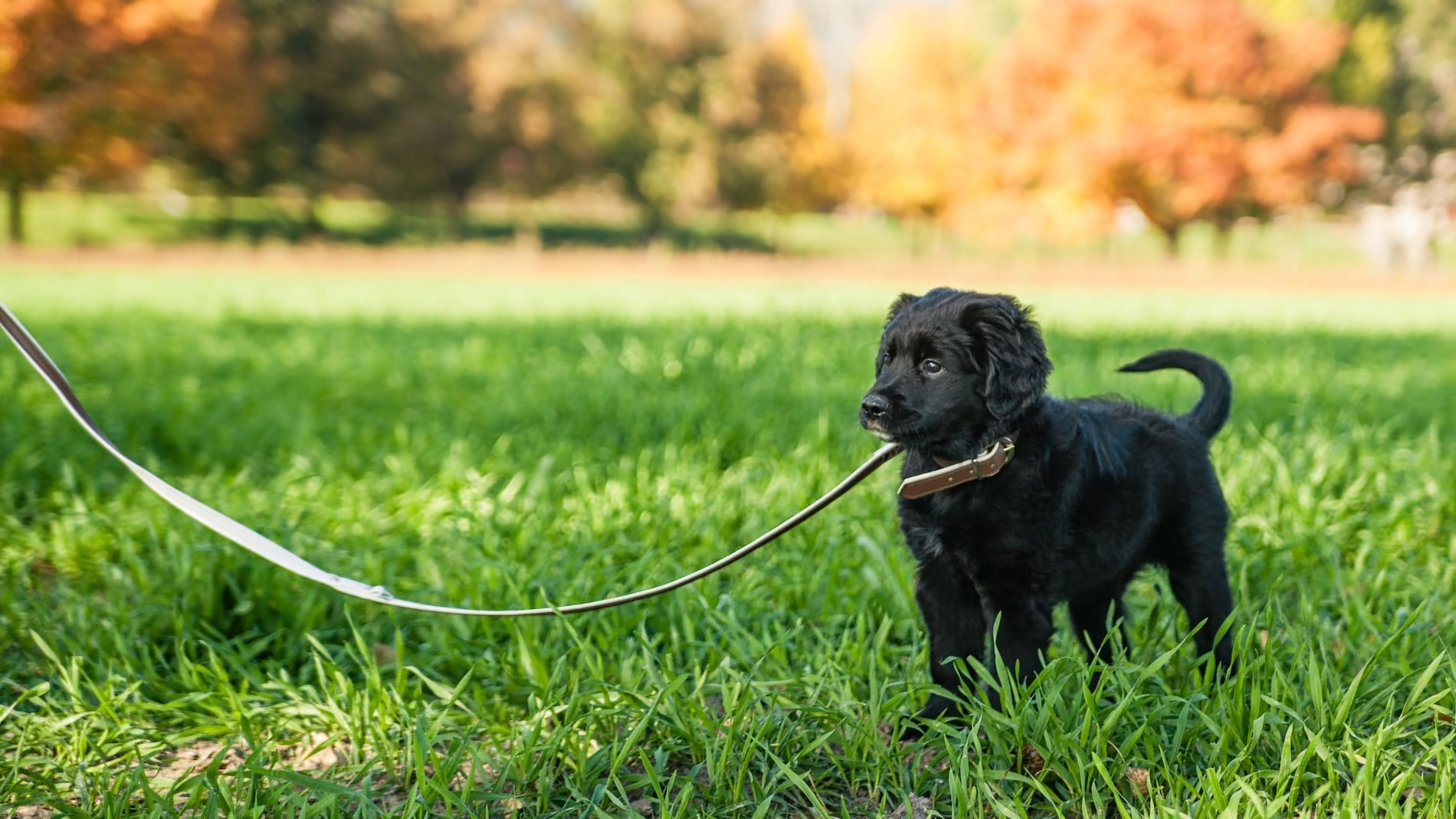
- When your puppy pulls. The instant the leash tightens, stop walking. Don't yank back, just plant your feet. Keep gentle, steady pressure on the line and wait for your puppy to ease off or look back at you. Mark that, reward at your side, and set off again, often in a new direction. The lesson lands on its own: pulling stops the walk, and a loose leash keeps it going.
- Leash chewing. Plenty of puppies chew the leash during training. First, hold the leash still while they chew it, which makes it less interesting, then ask for a "drop" and scatter a few treats on the ground. Don't tug the leash back out of their mouth, because that just turns it into a game of tug.
- Over-excitement. Some puppies are too wound up to learn anything until that energy comes down. A quick game of fetch or tug before a session takes the edge off and leaves your puppy far more able to focus.
- What to skip. Yelling, leash pops, and punishment make leash training slower and ramp up anxiety. They never tell your puppy what to do instead; they just make the walk something to dread. Stick with reward-based methods.
Taking Loose Leash Walking Outdoors
The second you step outside, the smells, sounds, people, dogs, and birds all compete for your puppy's attention, and every one of them is more interesting than you, at least at first. Your expectations for the first outdoor sessions need to be dramatically lower than what you achieved in the house.
- Choose your spots carefully. Start in quiet areas: a calm residential sidewalk, a fenced yard, or a quiet courtyard. Busy parks and downtown sidewalks come later.
- Start small. Practice just outside your front door or building entrance. A few steps of loose leash walking, then head back inside for a short break. Don't march a quarter mile on day one. Build duration as your puppy's skills grow.
- Upgrade your treats. What worked indoors probably won't compete with the world. Use higher-value rewards outdoors, real chicken, cheese, or liver treats, and deliver them often for any moment the leash is loose. Introduce distractions gradually rather than throwing your puppy into the deep end.
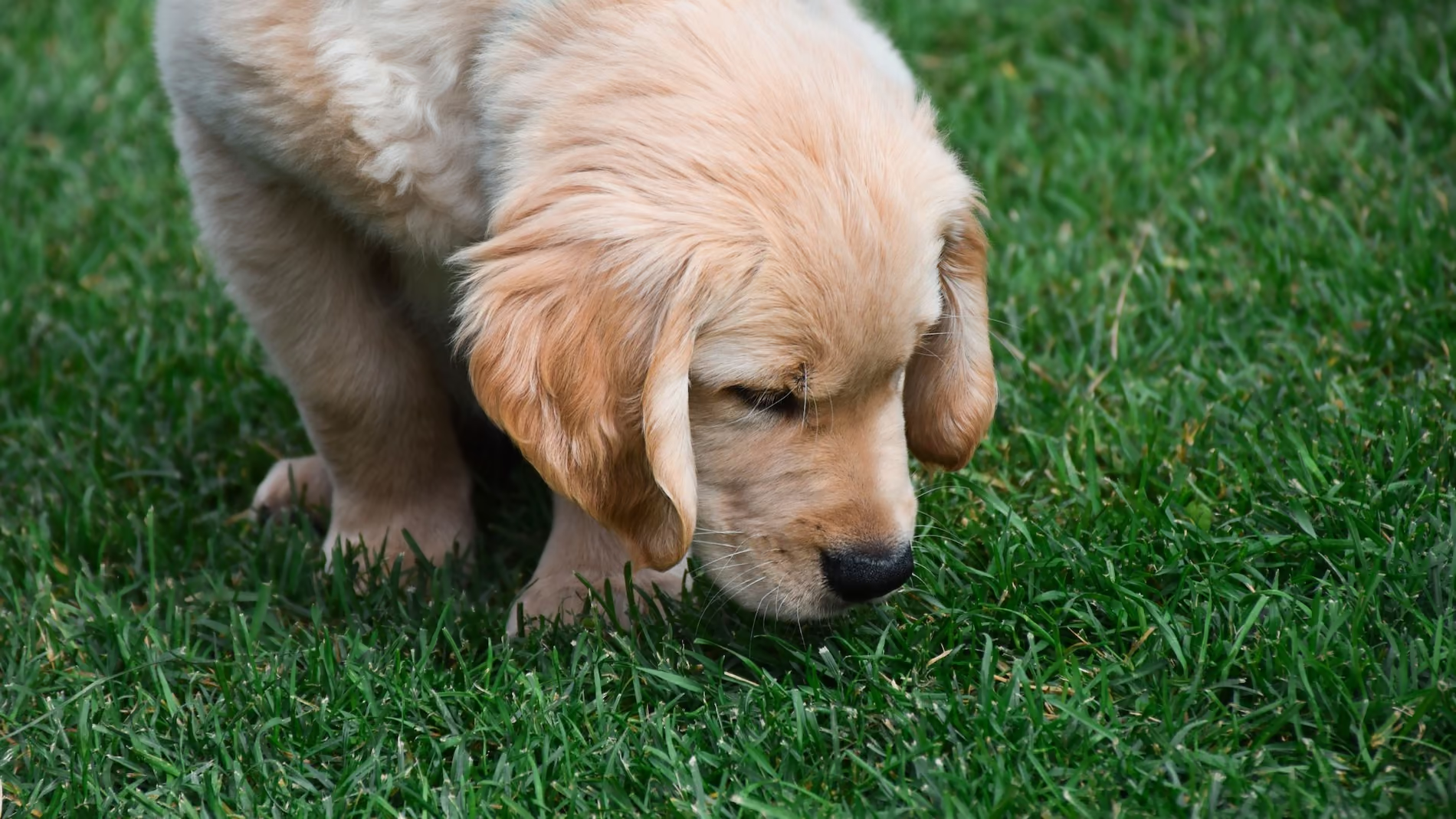
- Sniff breaks as reward. Let your puppy explore and sniff during walks. Sniffing is mental exercise, and suppressing it creates frustration that comes out as pulling. When the leash is loose, release your pup with a cue like "Go sniff" and let them investigate a patch of grass. This turns polite walking into a deal: walk nicely with me, and you get more chances to explore.
- Scale up gradually. Over days and weeks, add new routes, different times of day, and eventually busier environments. Each new setting temporarily drops your puppy's skill level, and that's normal. Just increase the reward frequency and lower your criteria until they adjust.
Balancing Structure and Freedom on Walks
A walk isn't a military march. It's exercise and mental enrichment for your dog, and if every second is structured training, neither of you will enjoy it.
Alternate between short intervals of focused leash walking, where you're marking and rewarding the position you want, and stretches where your puppy can choose the direction within the length of the leash. Think of it as intervals: a minute of structured walking, then a minute of free exploration on a short leash.
Giving puppies choices and time to sniff often reduces pulling, because their natural need to explore is being met. A dog whose curiosity is constantly suppressed will fight the leash harder.
Once your core walking skills are reliable, introduce a long line (10–20 feet) in safe, enclosed areas. This lets your puppy move more freely while you practice recall and check-in cues. It's the bridge between leash control and eventual off-leash reliability.
When to Get Extra Help With Leash Training
FREE LEASH PULLING STARTER GUIDE
Want Calm, Loose-Leash Walks?
Our free starter guide shows you exactly why your dog pulls and the first exercises to fix it, matched to their personality type.
A good trainer can watch your timing, adjust your approach, and solve problems that feel impossible from the inside. Look for professional support if you're seeing any of these:
- Intense pulling that makes you fall or lose your grip
- Barking and lunging at people or dogs on leash
- Fear of the harness, collar, or leash itself: a pup that freezes, sits, or shuts down
- No progress after several months of consistent practice
Try to seek help early, ideally before your puppy hits adolescence around 6–9 months. Hormonal changes in this period can intensify pulling and reactivity, and habits that have been rehearsed for months are harder to change than ones caught in the first weeks. Don't wait until the problem is entrenched.
None of this takes special talent. It takes consistent practice, a clear marker word, generous rewards, and the patience to start over when your pup has a bad day. Keep your sessions short, make the leash a predictor of good things, and reward the behavior you want to see again.